4,888 followers
November 2, 2021
Open Immersive Reader
About the author: Mr. Sameer Khatri is the Managing Director at Remedium and has over 25 years of experience across marketing, sales & operations in top Pharma and Med-Tech companies. He has worked with some of the biggest Healthcare, Pharma, & Medical Devices companies like GE, Beckton Dickinson, Baxter, Resmed & Eli Lilly.
The healthcare sector has always prided itself as a life-saving necessity that doesn’t have to entirely rely on marketing to maintain the inflow of customers, let alone think about digital marketing to engage with a wider tech-savvy audience.
And here we are now, a post-pandemic digitally driven world that has upended the way we think about marketing itself. Digital marketing has ceased to be just an optional approach in marketing but a necessity in consumer engagement. It’s the buzzword in marketing circles and the go-to solution for quick, measurable results, but the sudden push caused by the pandemic means that the industry is struggling to keep up.
The healthcare sector, especially the med-tech and pharma companies are finding it hard to maximize their potential with digital marketing. One main reason can be the stringent restrictions for content usage in healthcare field. Content is king, and viewer-centric content tailored as per the medium of communication (social media, google ad words, blogs) is very important for achieving intended outcomes from digital marketing.
HIPAA compliance and patient confidentiality regulations that dictate how patient information is used and stored limit the scope of engaging content, and further weakens the digital marketing strategy of an organization. Add to this, a range of other regulatory restrictions & centralization of all digital communication by the company’s global or regional headquarters that stops healthcare organizations and med-tech companies to fully utilize the potential of digital marketing.
So, how does one adapt to changing marketing trends in such a heavily regulated industry?
In his best-selling book Quantum Marketing, Raja Rajamannar predicts that in the next few years, the industries will have to transform to accommodate the unprecedented changes in marketing.
“The last five years have seen more change in marketing than the previous 50. And the next five years will outpace all of them put together.”
These trends have certainly not been lost on healthcare organizations and a shift to a digital-first approach to marketing is gaining traction as illustrated by recent studies:
- According to The Society for Healthcare Strategy & Market Development’s 2020 by the numbers special edition report, spending and activity for digital marketing — including social media, video, paid search and email — increased more than any other initiatives in 2020.
- The 2020 healthcare digital marketing trends survey of 150 provider organizations found respondents plan to increase digital marketing spending by 39% and boost non-staff investment in digital advertising (including paid, social and search) by 15%—the most among all categories.
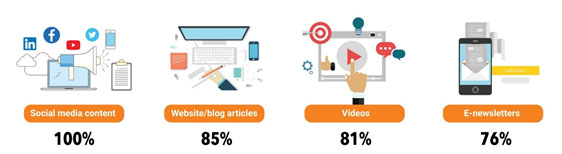
- As per the 2020 state of healthcare marketing study, the most-used content formats are digital, with the top five used by healthcare marketers as follows: